
vintage bathroom mirror with light
The Importance of Professional Spirit Level in the Workplace In today’s fast-paced and ever-evolving work environment, the concept of “professional spirit level” has emerged as a vital component for both individual success and organizational effectiveness. This term encapsulates not only the skills and competencies that professionals bring to their roles but also their attitude, commitment, and overall approach to work. Understanding and nurturing professional spirit level can lead to enhanced job performance, improved team dynamics, and greater organizational resilience. At its core, the professional spirit level refers to the alignment of an individual's skills and aspirations with their professional environment and responsibilities. It encompasses various attributes, including motivation, responsibility, integrity, and the capacity to engage constructively with colleagues and clients. When professionals possess a high level of this spirit, they are not just performing their tasks; they are actively contributing to a culture of excellence. One of the primary benefits of promoting a high professional spirit level is increased job performance. Employees who demonstrate a strong commitment to their work are typically more productive and proactive. They are inclined to go beyond the minimum requirements of their roles, seeking continuous improvement and innovation. For example, an employee who embodies a high professional spirit might take the initiative to suggest new processes or tools that could enhance efficiency, benefiting not only their team but the entire organization. Moreover, a strong professional spirit level fosters positive relationships within teams. When individuals share a commitment to their work and support one another, it creates an atmosphere of collaboration and trust. This cohesion is particularly important in industries that rely on teamwork to achieve objectives . Teams with a high spirit level are more likely to communicate openly, share knowledge, and reinforce one another’s strengths. This collaborative environment leads to enhanced creativity, as team members feel empowered to express and develop their ideas without fear of judgment. professional spirit level A high professional spirit level also plays a crucial role in managing challenges and setbacks. In today’s world, the ability to adapt and overcome obstacles is invaluable. Employees with a strong professional spirit are often more resilient when faced with difficulties. Their commitment to their work drives them to find solutions rather than dwell on problems. This attitude not only helps them cope with stress but also sets a positive example for their peers, promoting a culture of resilience throughout the organization. On the organizational level, fostering a high professional spirit level can significantly enhance employee retention. When individuals feel a strong connection to their work and believe in the mission and values of their organization, they are more likely to stay committed for the long term. This connection creates a sense of belonging and purpose, which is essential for job satisfaction. Furthermore, organizations that actively nurture professional spirit level through training, recognition, and supportive management practices tend to attract top talent, ensuring a competitive edge in their industry. To cultivate a high professional spirit level within an organization, leaders must first recognize its importance and model the behaviors they wish to see in their teams. This includes open communication, acknowledging accomplishments, providing opportunities for professional development, and creating a supportive work environment. Regular feedback and recognition are essential in reinforcing positive behaviors and demonstrating that the organization values commitment and excellence. In conclusion, the professional spirit level is a multifaceted concept that has profound implications for individuals and organizations alike. By fostering a culture that prioritizes professionalism, commitment, and collaboration, organizations can enhance employee performance, strengthen team dynamics, and build resilience in the face of challenges. Embracing and nurturing this spirit is not just beneficial; it is essential for long-term success in the modern workplace. As we move forward, it is vital for both leaders and employees to embrace this spirit level, ensuring that the workplace remains not only a space of productivity but also a community of shared values and aspirations.
about
vintage bathroom mirror with light
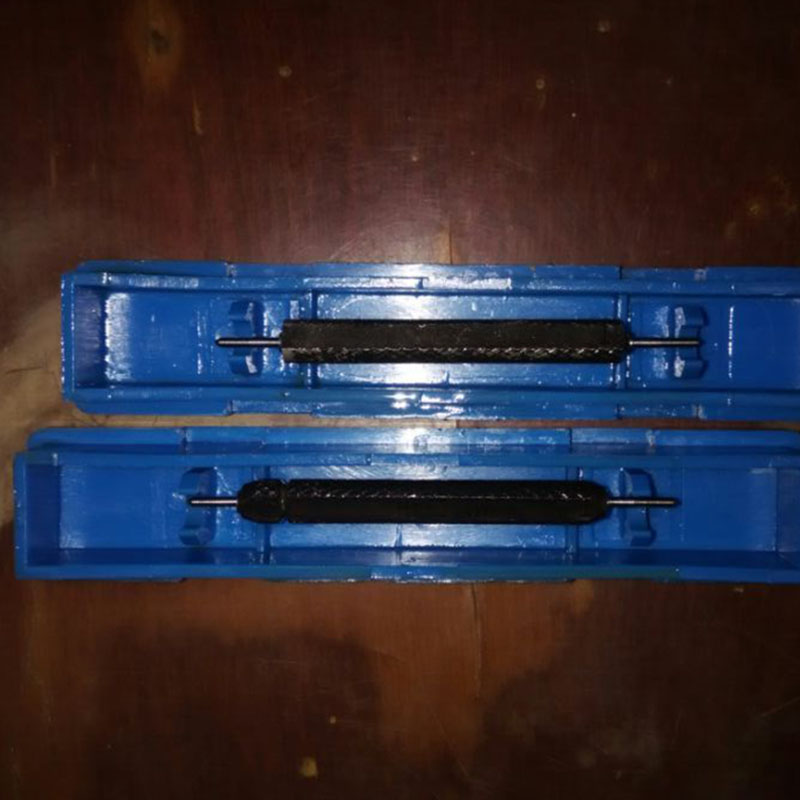
Understanding Pin Gauge Boxes A Comprehensive Overview In the realm of precision engineering and manufacturing, ensuring the accuracy of machined components is paramount. One of the indispensable tools in this domain is the pin gauge box, a device designed to provide a reliable means of measuring and verifying the dimensions of holes, slots, and various fittings. This article delves into what a pin gauge box is, its purpose, types, applications, and best practices for its use. What is a Pin Gauge Box? A pin gauge box is a collection of precisely manufactured pins of various diameters housed in a durable container. These pins, or gauge pins, are made from high-quality materials such as steel or tungsten carbide to ensure longevity and resistance to wear. Each pin is manufactured to exact specifications, enabling it to serve as a go/no-go gauge, ensuring that components fit within the desired tolerances. Purpose of a Pin Gauge Box The primary purpose of a pin gauge box is to facilitate the measurement of internal diameters, holes, and other dimensional features of manufactured parts. By using these pins, engineers and machinists can verify whether a particular hole is within the specified limits. The system typically consists of pins that represent the minimum and maximum allowable dimensions for the component being measured. Types of Pin Gauge Boxes Pin gauge boxes come in various types, tailored to meet different measurement needs 1. Go/No-Go Pin Gauges These gauges are used for quality control processes, where the Go pin must fit into a hole, while the No-Go pin must not. This simple binary assessment allows for immediate identification of parts that are outside tolerances. 2. Intermediate Pin Gauges These gauges fill the gaps between the sizes of go/no-go pins, providing a more refined assessment for components that require specific sizes. 3. Tapered Pin Gauges Some applications require tapered holes, and tapered pin gauges can accommodate these needs by providing a precise measurement option. 4. Custom Pin Gauges For specialized applications, manufacturers may create custom pin gauges tailored to specific dimensions and tolerances. pin gauge box Applications of Pin Gauge Boxes Pin gauge boxes are utilized across a myriad of industries, including - Manufacturing Ensuring that machined components meet required specifications before assembly. - Aerospace Verifying the dimensional accuracy of critical components that must adhere to stringent safety standards. - Automotive Inspecting parts for proper fits and tolerances to ensure the performance and safety of vehicles. - Medical Devices Ensuring that components meet strict regulatory requirements and function safely in medical applications. Best Practices for Using Pin Gauge Boxes To maximize the effectiveness and longevity of pin gauge boxes, follow these best practices 1. Calibration Regularly calibrate the pin gauges to ensure they remain accurate over time. This is particularly crucial for critical applications. 2. Cleanliness Keep pin gauges free from contaminants such as oil, dirt, or debris, which could affect measurement accuracy. Use appropriate cleaning methods and solutions. 3. Storage Store pin gauge boxes in a stable environment, protected from shock, temperature fluctuations, and humidity, which can lead to warping or corrosion. 4. Handling Always handle pin gauges with care, avoiding dropping or mishandling them, as this can lead to damage and inaccurate measurements. 5. Training Ensure that personnel who use pin gauge boxes are properly trained in their use, understanding not just how to measure but also the underlying principles of dimensional tolerance. Conclusion In summary, the pin gauge box is a vital tool in the field of precision engineering, offering a systematic approach to measuring and ensuring dimensional accuracy in manufactured parts. With a variety of types tailored to different needs, the pin gauge box plays a crucial role in maintaining quality across industries. By adhering to best practices in their use and maintenance, manufacturers can ensure that their precision measurement tools serve them effectively, contributing to the overall quality and reliability of their products.
-

High quality industrial productsagement

High quality industrial products
View Details -

Meet the diverse needs of customers

Meet the diverse needs of customers
View Details -

Strict quality control

Strict quality control
View Details -

Top raw materials

Top raw materials
View Details -

Trusted supplier

Trusted supplier
View Details
Our application



news and information
Y Type Strainer Future Innovations
The industrial landscape is continuously evolving, driven by technological advancements and the need
valve for sale
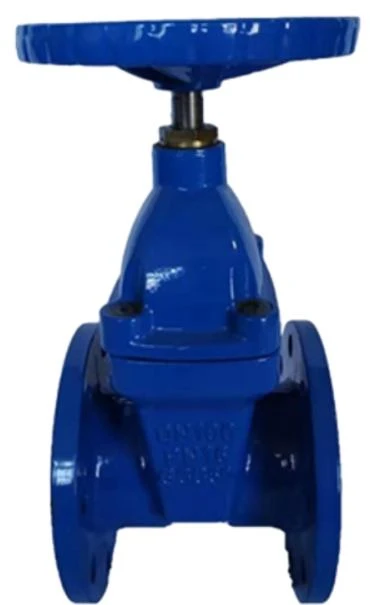
Understanding the Importance of Quality Valves for Sale Expert Insights For those heavily invested i

water pressure valves
Understanding Water Pressure Valves Essential Components for Efficient Water Management Water pressu
 English